How to Order Your Own Blood Work Without a Doctor
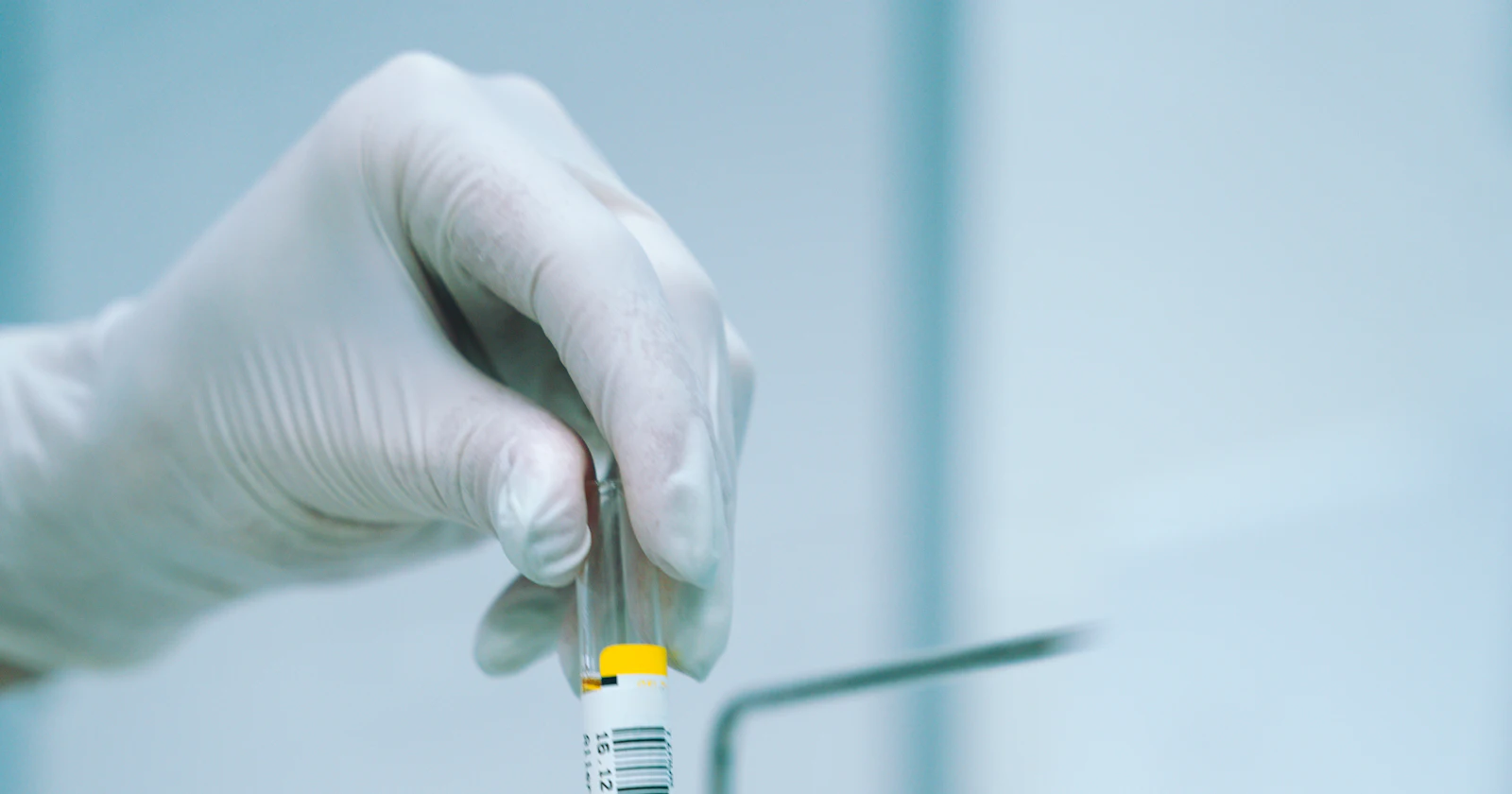
You can order most routine blood tests online without seeing a doctor first. The ordering service has a physician sign the lab order for you, you have blood drawn at a Quest or LabCorp location, and the results come straight to you. New York, New Jersey and Rhode Island are the states these services most often exclude.
Who signs the lab order if you don't have a doctor?
A physician who works with the ordering service. US laboratories only run tests on an order from someone licensed to request them, so direct-access services contract with doctors who review incoming orders and sign the requisitions. You never meet that doctor, and for a routine order their part ends once the requisition is issued.
That signature is the only piece of a doctor visit the service replaces. The other two pieces, deciding which tests make sense and explaining the numbers afterward, become yours, or stay with a clinician you choose to bring in.
What changes when you order a test yourself?
| Ordered by your doctor | Ordered yourself online | |
|---|---|---|
| Who picks the tests | Your doctor, from your history | You |
| Who signs the requisition | Your doctor | A physician working with the service |
| Where blood is drawn | Quest, LabCorp, or a hospital or clinic lab | The lab company named on your requisition |
| Who receives the results | Your doctor, and usually you through a portal | You |
| Who explains them | Your doctor | Nobody, unless you take them to a clinician |
The laboratory work is identical either way. The money side, including when insurance beats a cash price, is covered in how to get blood tests without insurance.
Which states don't allow you to order your own lab tests?
New York, New Jersey and Rhode Island are the states that direct-access services most commonly exclude, because of state rules on who may order laboratory testing. Some services add restrictions on particular tests elsewhere. Every service checks your state at checkout, and that check is the answer to rely on, since both state rules and service policies change.
In an excluded state, the usual route is an order from a clinician, which can include a telehealth appointment.
What should you check before you order?
- That it's the exact test. Two services can sell different tests under similar names. The Quest or LabCorp order code settles it, and the price comparison on each test page here is matched by code.
- Which lab company the service uses. A requisition is issued for one company, so make sure it has a patient service center you can get to.
- Preparation. Some tests need a fast or a morning draw; see fasting before a blood test.
- Fees on top of the test price. Some services add a physician or processing fee at checkout.
- Whether the price needs a membership. A member price is only a saving if you test often enough to cover the monthly fee.
Which tests can you order this way?
Most routine blood tests, and nearly every service carries the basics: a complete blood count, a comprehensive metabolic panel, a lipid panel, hemoglobin A1c, TSH and vitamin D. The chart shows what each costs across the services we track, read live when this page loads.
| Test | Cheapest | Highest | Services |
|---|---|---|---|
| Hemoglobin A1c | $0.66 | $99.00 | 18 |
| Complete Blood Count w/ Differential & Platelets (CBC) | $3.78 | $39.00 | 18 |
| Thyroid Stimulating Hormone (TSH) | $4.92 | $59.00 | 18 |
| Comprehensive Metabolic Panel (CMP) | $4.99 | $59.00 | 18 |
| Lipid Panel | $7.42 | $59.00 | 18 |
| Vitamin D, 25-Hydroxy | $13.63 | $99.00 | 18 |
How do you get self-ordered results to your own doctor?
You send them yourself. A self-ordered result isn't filed with your doctor's office or added to your medical record on its own. Services let you download the report, and your doctor's office can add that file to your chart.
Send the full report rather than a screenshot of one number. The report shows the laboratory's own reference ranges, which vary by laboratory, sex and age, and your doctor needs them to read the result.
When is it better to go through a doctor?
When insurance would pay for the test, or when you need someone to work out what to test for. Many health plans cover certain preventive screenings, such as some cholesterol and diabetes screening, at no cost to you when your doctor orders them.
Symptoms are the other case. Ordering a marker you already track is what self-ordering does well; figuring out what is wrong is not. Anything urgent belongs with a clinician straight away.
Sources
- Preventive Care Benefits for Adults (HealthCare.gov)
- How to Understand Your Lab Results (MedlinePlus)
- Direct-to-Consumer Tests (U.S. Food and Drug Administration)
Common questions
Is it legal to order your own blood tests without a doctor?
In most US states, yes. Direct-access services have a licensed physician sign the lab order, which is what the laboratory requires. New York, New Jersey and Rhode Island are the states these services most often exclude.
Will the physician who signs a self-pay order explain the results?
Generally not. That physician's role is to authorize the order, so questions about what a result means are for your own clinician.
Can you use a self-pay requisition at any lab?
No. The requisition is issued for one laboratory company, usually Quest or LabCorp, so the draw has to happen at a patient service center run by that company.
Do you pay separately for the physician who signs the order?
It depends on the service. Some include the physician's authorization in the test price, and some add it as a separate fee at checkout, so compare the total rather than the listed test price.