Infertility on TRT: What to Monitor
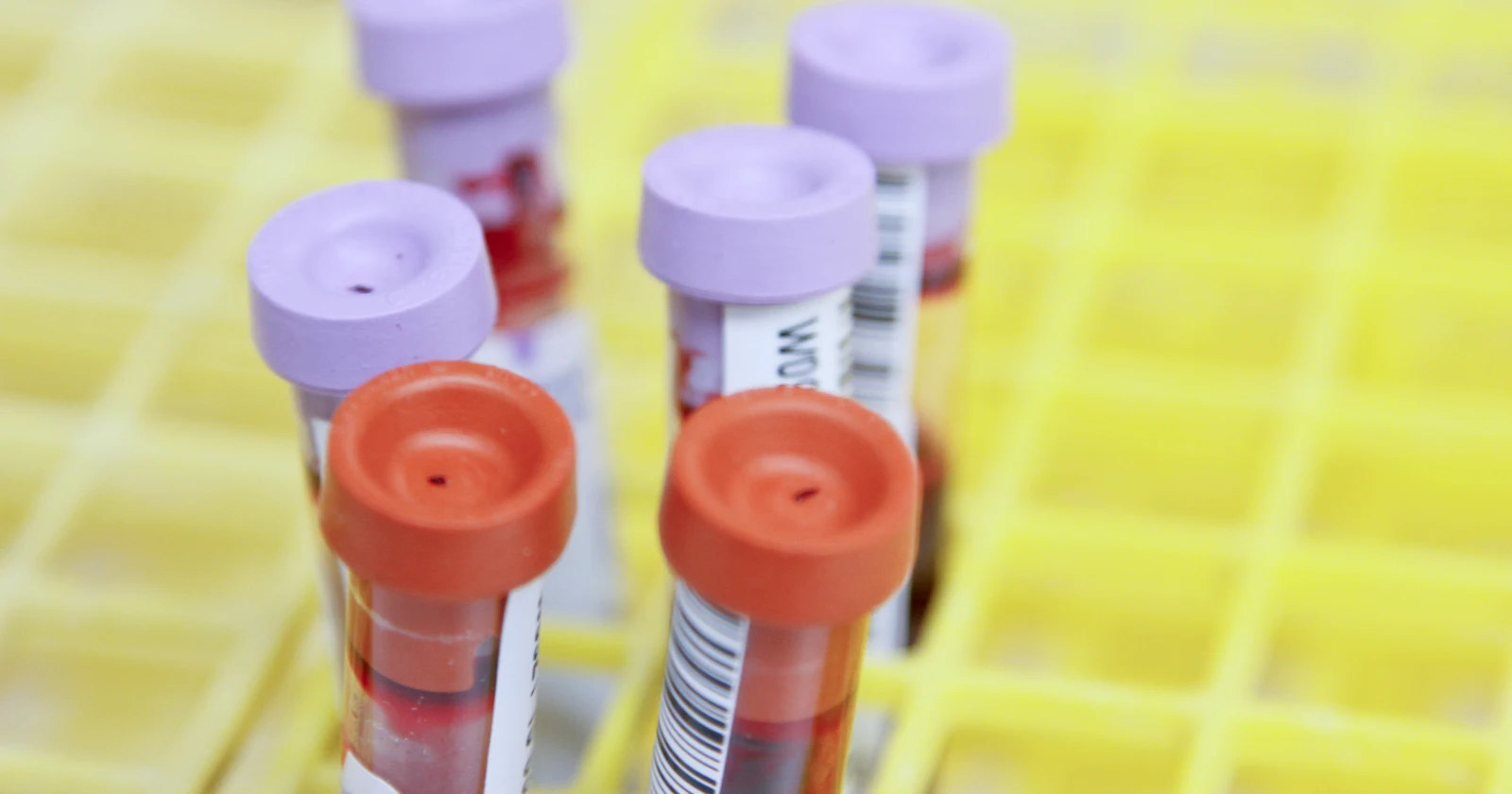
Testosterone replacement therapy (TRT) often lowers sperm production, because testosterone from outside the body tells the pituitary gland to cut back on LH and FSH, the two signals the testicles need to make sperm. The measurements used to follow this are a semen analysis, which is the direct measure, plus blood levels of LH, FSH, testosterone, estradiol and prolactin.
Why does TRT lower sperm production?
Because sperm production runs on signals from the brain, and TRT turns those signals down. The pituitary gland releases luteinizing hormone (LH) and follicle-stimulating hormone (FSH). LH tells the testicles to make testosterone. FSH, together with that testosterone, drives sperm production.
When testosterone arrives from outside the body, the pituitary reads the higher blood level as a sign that no more is needed and reduces both signals. With less LH and FSH, sperm output often falls, in some people to zero.
Why doesn't a normal testosterone level mean normal sperm production?
A blood test measures testosterone in the bloodstream, but sperm production depends on the much higher concentration inside the testicles. On TRT, blood testosterone can sit in range, or above it, while the testicles' own output has dropped. That is why blood testosterone says little about fertility on TRT, and why LH, FSH and a semen analysis get the attention.
What does each measurement show?
| Measurement | What it reflects | Commonly seen on TRT |
|---|---|---|
| Semen analysis | Sperm count, movement and shape, the direct measure of fertility | Lower count, sometimes none |
| FSH | The pituitary signal that drives sperm production | Suppressed |
| LH | The pituitary signal for the testicles' own testosterone | Suppressed |
| Total and free testosterone | Testosterone in the blood, from every source | Reflects treatment, not testicular output |
| SHBG | The protein that binds testosterone, used to calculate the free fraction | Used to interpret the testosterone numbers |
| Estradiol, ultrasensitive | Estrogen, part of which is made from testosterone | Can rise along with testosterone |
| Prolactin | A pituitary hormone that suppresses LH and FSH when high | Checked to rule out a separate cause |
Reference ranges for every one of these vary by laboratory, sex and age. Hormones also move through the day, which is why testosterone is usually drawn in the morning, between about 7 and 10 a.m.
All of the blood tests above can be ordered self-pay. A semen analysis can't: it goes through a fertility clinic, urology practice or andrology lab, and what a semen analysis involves covers collection.
| Test | Cheapest | Highest | Services |
|---|---|---|---|
| Luteinizing Hormone (LH) | $4.54 | $139.00 | 17 |
| Follicle-Stimulating Hormone (FSH) | $4.54 | $89.00 | 17 |
| Testosterone, Total | $6.05 | $129.00 | 18 |
| Sex Hormone-Binding Globulin (SHBG) | $8.00 | $99.00 | 16 |
| Prolactin | $8.57 | $79.00 | 17 |
| Estradiol, Ultrasensitive (LC/MS-MS) | $24.00 | $209.00 | 17 |
Why do semen results lag behind hormone changes?
Sperm take roughly two to three months to develop. A semen sample therefore reflects conditions during that earlier stretch, not the week it was collected, while a blood hormone level describes the day of the draw. Fertility on TRT is followed with repeated tests over months for that reason; one result, taken alone, can mislead in either direction.
Sources
- Testosterone Levels Test (MedlinePlus)
- Follicle-Stimulating Hormone (FSH) Levels Test (MedlinePlus)
- Luteinizing Hormone (LH) Levels Test (MedlinePlus)
- Semen Analysis (MedlinePlus)
Common questions
Does TRT always cause infertility?
No, but it commonly lowers sperm production, because testosterone from outside the body suppresses the LH and FSH signals the testicles rely on. How much varies from person to person, which is why it is followed with testing.
Can a blood test show whether someone on TRT is fertile?
No. Blood tests describe the hormones around sperm production. The direct measure is a semen analysis, which counts sperm and assesses their movement and shape.
Why are LH and FSH low on TRT?
The pituitary gland reduces LH and FSH when it detects enough testosterone in the blood. On TRT that testosterone comes from treatment, so both signals are commonly suppressed.
Where do you get a semen analysis?
Through a fertility clinic, a urology practice or an andrology lab rather than a standard blood-draw center. The lab gives its own collection instructions, including how many days to abstain beforehand.