What is a comprehensive metabolic panel testing for?
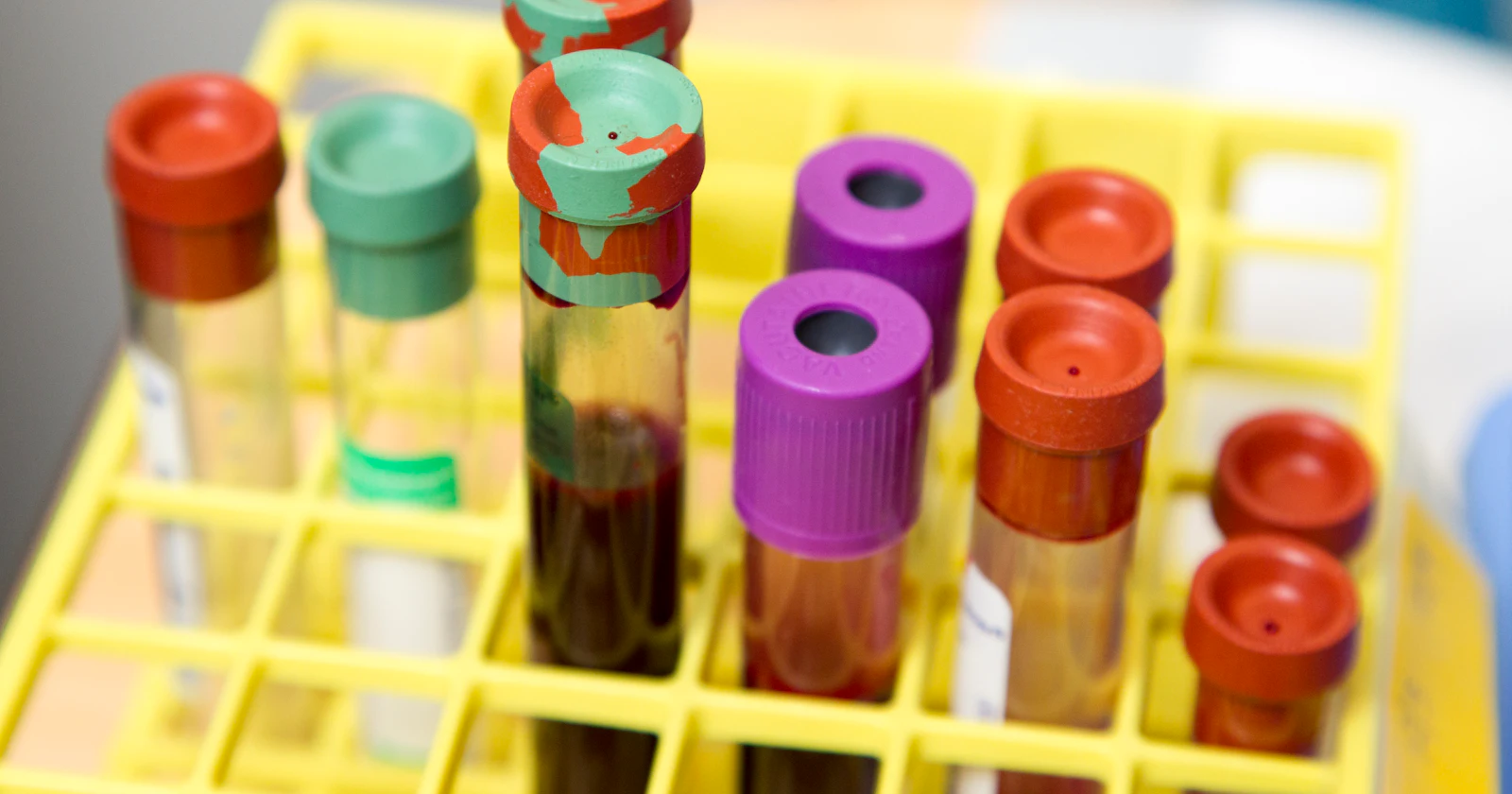
A comprehensive metabolic panel (CMP) measures 14 substances in one blood sample to give a broad picture of kidney function, liver function, blood sugar, protein levels and electrolyte balance. It is one of the most commonly ordered blood tests in routine care, and it usually requires fasting because it includes glucose.
What does a comprehensive metabolic panel include?
Fourteen measurements, which make more sense grouped by what they describe than listed alphabetically.
| Group | Measurements | What the group describes |
|---|---|---|
| Kidney | BUN, creatinine | How well the kidneys are clearing waste |
| Liver | ALT, AST, ALP, bilirubin | Liver enzymes and processing |
| Electrolytes and fluid | Sodium, potassium, chloride, carbon dioxide, calcium | Fluid balance, nerve and muscle signaling |
| Sugar and protein | Glucose, albumin, total protein | Blood sugar and circulating protein |
Most reports also include eGFR, an estimate of kidney filtration rate. It is calculated from your creatinine result rather than measured separately, which is why it doesn't count toward the panel's 14.
What is the difference between a CMP and a BMP?
The basic metabolic panel (BMP) is the same panel with the liver group and the protein measurements removed: 8 measurements instead of 14. It covers kidney function, electrolytes and glucose.
If a clinician wants liver enzymes, they order the CMP. If they only need kidneys, electrolytes and sugar, the BMP does it. The draw is identical either way.
What is the difference between a CMP and a CBC?
They measure completely different things and are frequently ordered together.
- A CMP measures chemistry: substances dissolved in the liquid part of your blood.
- A complete blood count counts the cells: red cells, white cells and platelets.
One tells you about organ function and chemical balance; the other tells you about the cells themselves. Neither substitutes for the other, and they even use different collection tubes.
Do you need to fast for a comprehensive metabolic panel?
Usually yes, because the panel includes glucose, which rises within minutes of eating. The standard instruction is 8 to 12 hours with plain water only.
Some providers will accept a non-fasting CMP when glucose isn't the point of ordering it. As always, the requisition wins. See do you need to fast before a blood test.
Why is a CMP ordered?
As a broad screen rather than to answer a specific question. Common reasons include a routine physical, monitoring a known kidney or liver condition, checking on medications that can affect liver or kidney function, and pre-operative assessment.
Because it is broad, a CMP quite often returns one value slightly outside its reference range in a person who is entirely well. Reference ranges are built so that a proportion of healthy people fall outside them by definition.
What does the CMP not tell you?
Quite a lot, and it is worth knowing the gaps:
- It does not measure long-term blood sugar control. That is hemoglobin A1c, which reflects roughly three months rather than this morning.
- It does not include cholesterol. That is a separate lipid panel.
- It does not include thyroid function, iron status, vitamin levels or inflammatory markers.
- It does not count blood cells.
A normal CMP is reassuring about the specific systems it covers, and says nothing about the ones it doesn't.
How much does a comprehensive metabolic panel cost?
The self-pay prices we track for a comprehensive metabolic panel currently run from $4.99 to $59.00 across 18 ordering services. It is among the cheapest panels available precisely because it is so routine: the laboratories run enormous volumes of it.
Those figures come from our own price checks, most recently on September 28, 2026.
Sources
- Comprehensive Metabolic Panel (CMP) (MedlinePlus, National Library of Medicine)
- Basic Metabolic Panel (BMP) (MedlinePlus)
- How to Understand Your Lab Results (MedlinePlus)
Common questions
What does a comprehensive metabolic panel test for?
Fourteen measurements covering kidney function (BUN, creatinine), liver function (ALT, AST, ALP, bilirubin), electrolytes and fluid balance (sodium, potassium, chloride, carbon dioxide, calcium) and sugar and protein (glucose, albumin, total protein).
Does a CMP check cholesterol?
No. Cholesterol is measured by a separate lipid panel.
What is eGFR on a CMP report?
eGFR is an estimate of how quickly the kidneys filter blood. It is calculated from the creatinine result on the panel rather than measured separately, so it is not counted among the 14 measurements.
Is one abnormal value on a CMP a problem?
Not necessarily. Reference ranges are set so that some healthy people fall outside them, and a single mildly out-of-range value on a 14-measurement panel is common. Interpretation depends on which value and on your history.